China's apparel exports picked up through the summer, while the rules for shipping clothing into Europe got stricter. For boutique owners, online sellers and private-label buyers planning spring–summer 2027, here is what changed and how it affects sourcing.
August exports: third straight month of growth
According to China's General Administration of Customs, garment and clothing accessory exports reached US$15.88 billion in August 2026, up 12.3% year on year. For January–August, garment exports totalled US$105.28 billion, up 2.5% and back in positive territory after a weak first half. Combined textile and apparel exports grew 7.7% in August — the third consecutive month above 7%. Measured in RMB, year-to-date garment exports were slightly down (−1.6%), a reminder that exchange rates are moving supplier margins as much as demand is.
For buyers, the takeaway is simple: factory capacity is busy again heading into Q4. If you want SS27 samples approved before Chinese New Year, start RFQs now rather than in December.
EU: the €150 duty exemption is gone
Since 1 July 2026, the EU no longer exempts low-value consignments (up to €150) from customs duty. Instead, a temporary flat duty of €3 per item applies to distance sales and postal consignments, until standard tariff rates take over in July 2028. From 1 November 2026, product identifiers become mandatory on these declarations. Low-value B2B imports now pay normal customs tariffs as well.
This mainly hits parcel-by-parcel cross-border selling. For EU retailers and resellers, consolidated bulk shipments — one order, one declaration, cleared as regular B2B imports — become relatively more attractive than dropshipping single garments.
France: penalties on ultra-fast fashion from 1 September
France's law of 8 July 2026 on the environmental impact of the textile industry is now in force. Since 1 September 2026, products from brands classified as "ultra-express fashion" (very wide ranges, very low repair incentive) carry an eco-contribution penalty of up to 50% of the pre-tax price, capped at €12 per item in 2026 and rising to €19.50 by 2030. From 1 January 2027, advertising these products will be banned in France.
The law targets high-volume, disposable business models, not ordinary wholesale. But it pushes the market in one direction: fewer throwaway styles, more durable basics, and clearer information on fabric and care.
SS27 direction: sporty, relaxed, muted
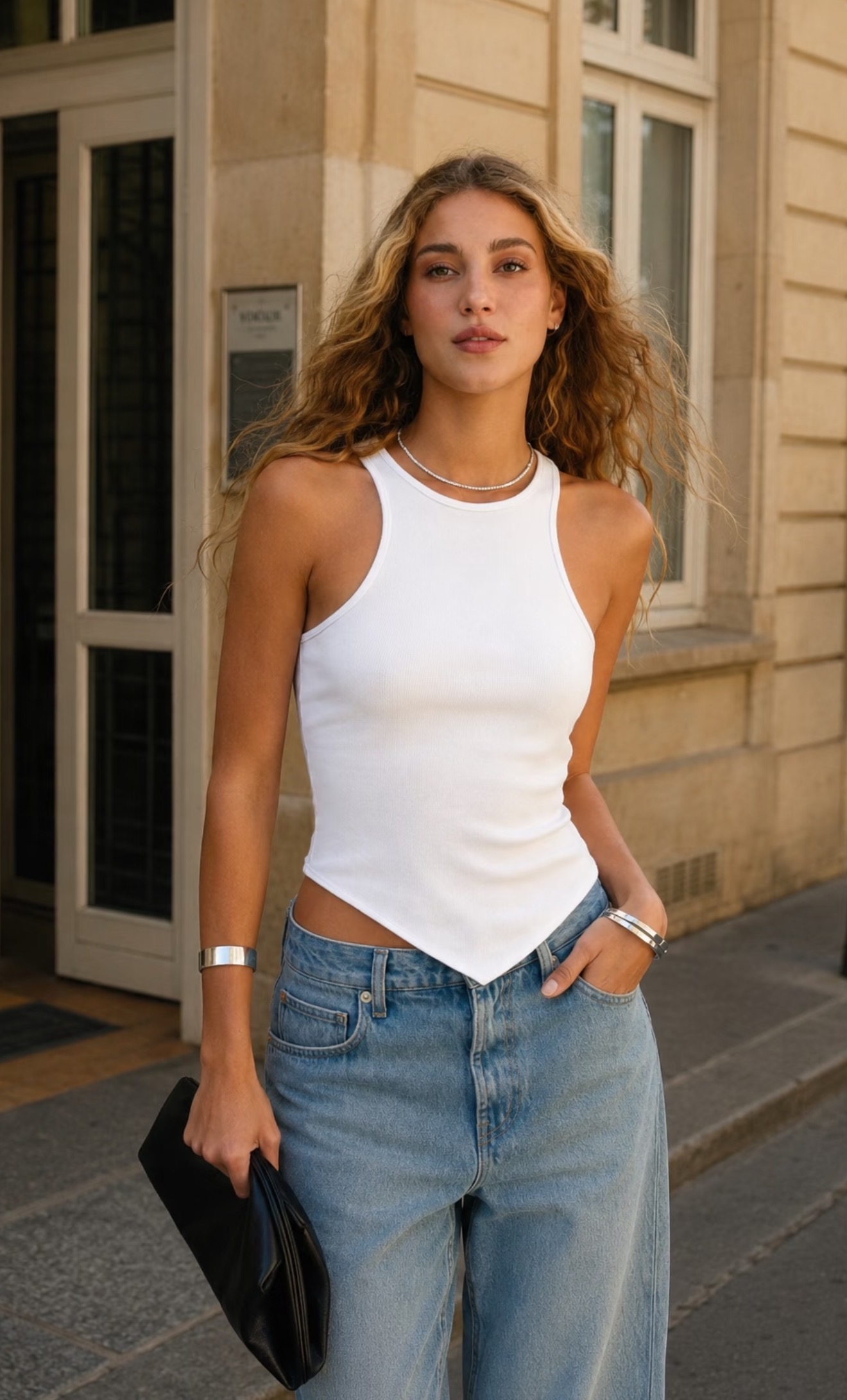
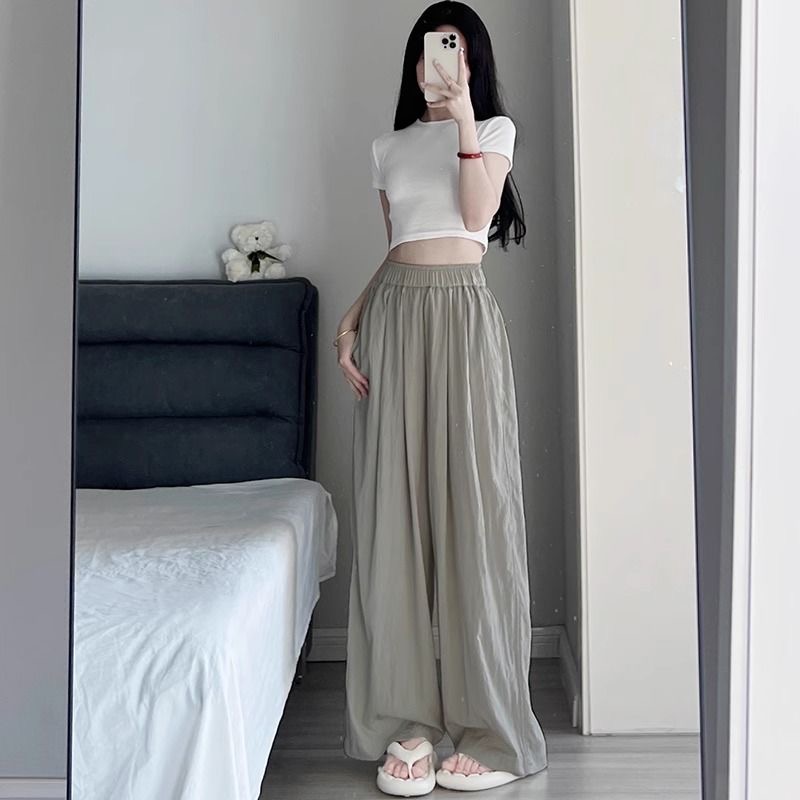
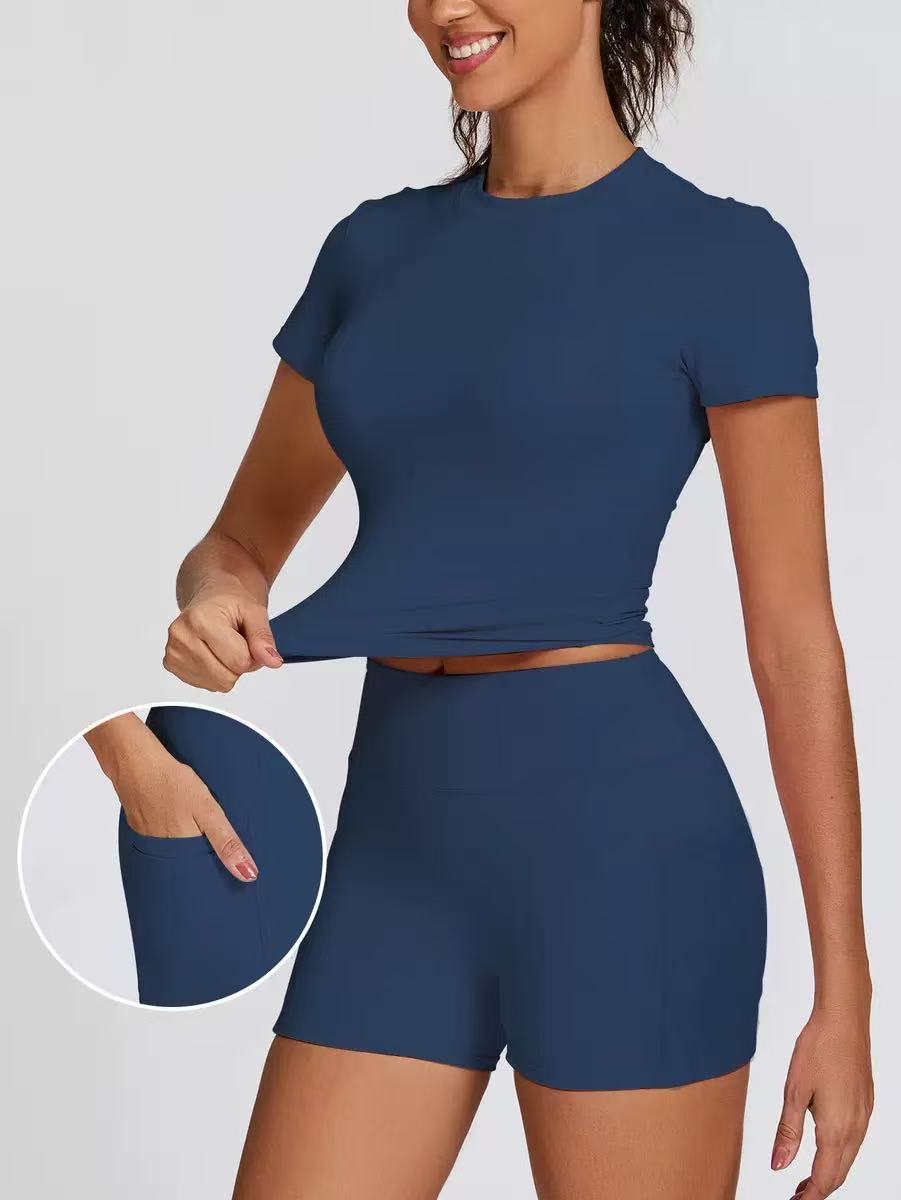
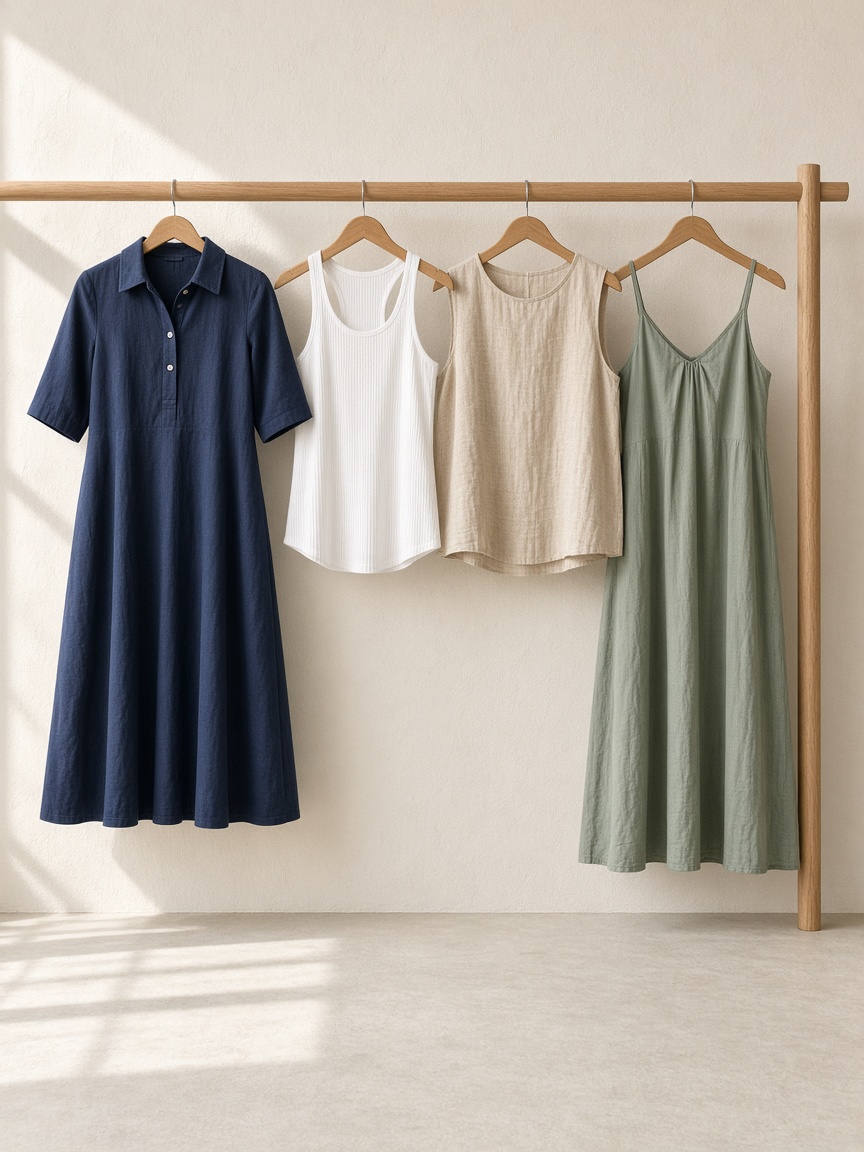
Early spring–summer 2027 buyer guides point the same way. Sport references continue — racerback tops and dresses, coordinated sporty sets, and simple tanks — alongside softer, more relaxed tailoring such as wide-leg trousers and tailored shorts. In activewear, the focus is "studio to street": soft, tactile fabrics, clean silhouettes, and a muted palette where charcoal replaces pure black and mauve, sage and stone replace bright colours. For autumn–winter 2026, earthy tones (sage, terracotta, off-white) and smaller capsule buys with shorter lead times remain the pattern.
What to do this quarter
- Plan SS27 as a capsule: a few strong styles in mixed colours and sizes, then reorder what sells.
- For EU customers, ship consolidated bulk orders instead of single parcels.
- Ask suppliers to confirm fabric composition, care labelling and packaging on the RFQ, not after production.
- Lock sample approval in Q4 so bulk production fits before the Chinese New Year slowdown.
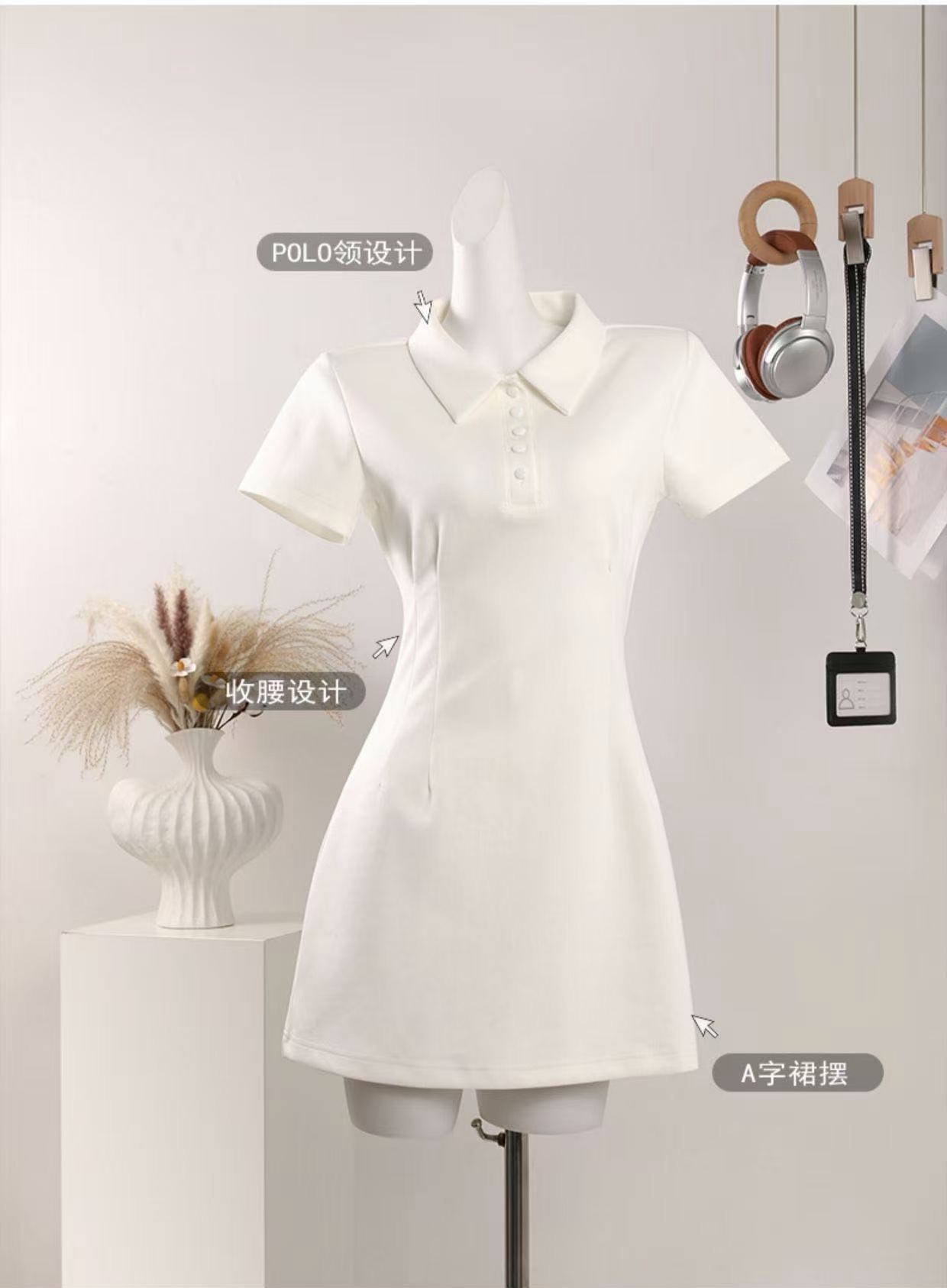
Chenqi Clothing supplies women's dresses, tops, wide-leg bottoms, activewear and thermal sets from Yiwu, China. MOQ starts from 100 pcs per style with mixed colours and sizes — confirm on RFQ.
Sources: China General Administration of Customs (August 2026 export data); European Commission, Taxation and Customs Union (EU €3 low-value consignment duty); French Ministry of Ecological Transition and Légifrance (Law No. 2026-602 of 8 July 2026); SS27 buyer guides from Texcon and Pinkline Apparel; RepSpark fall 2026 wholesale trends.